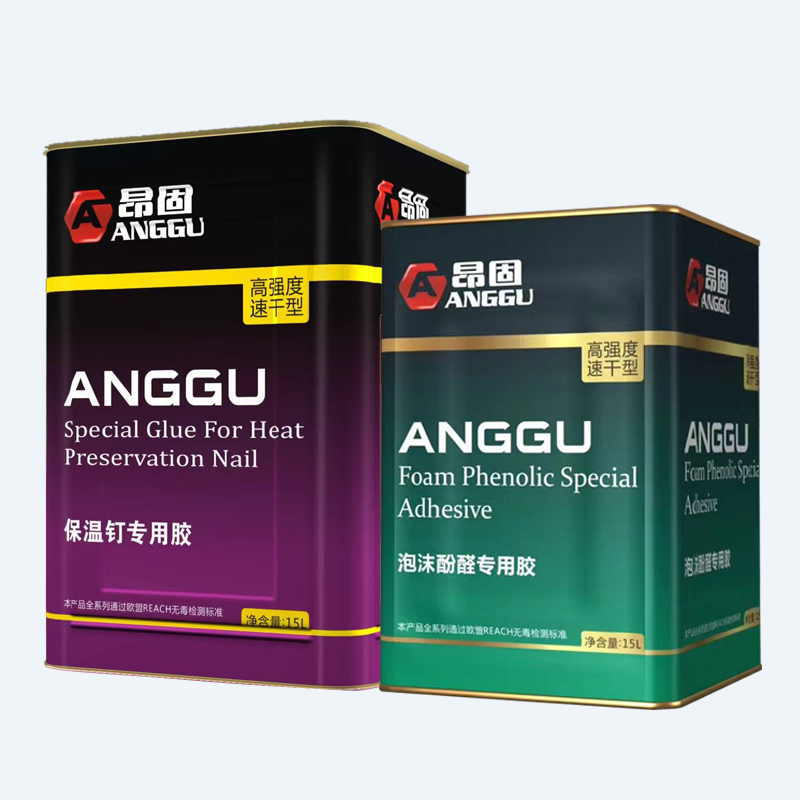
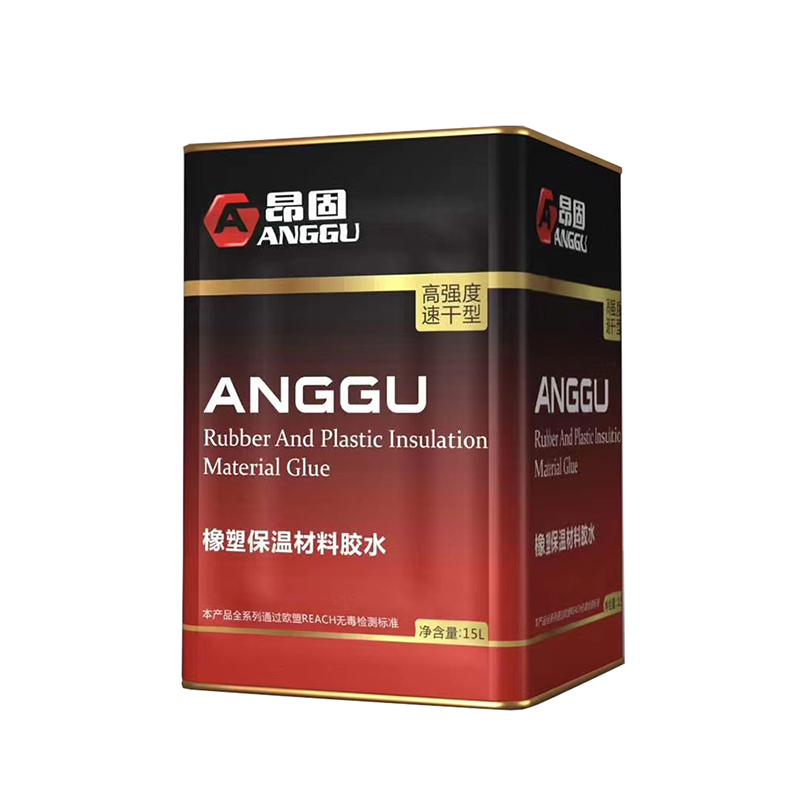
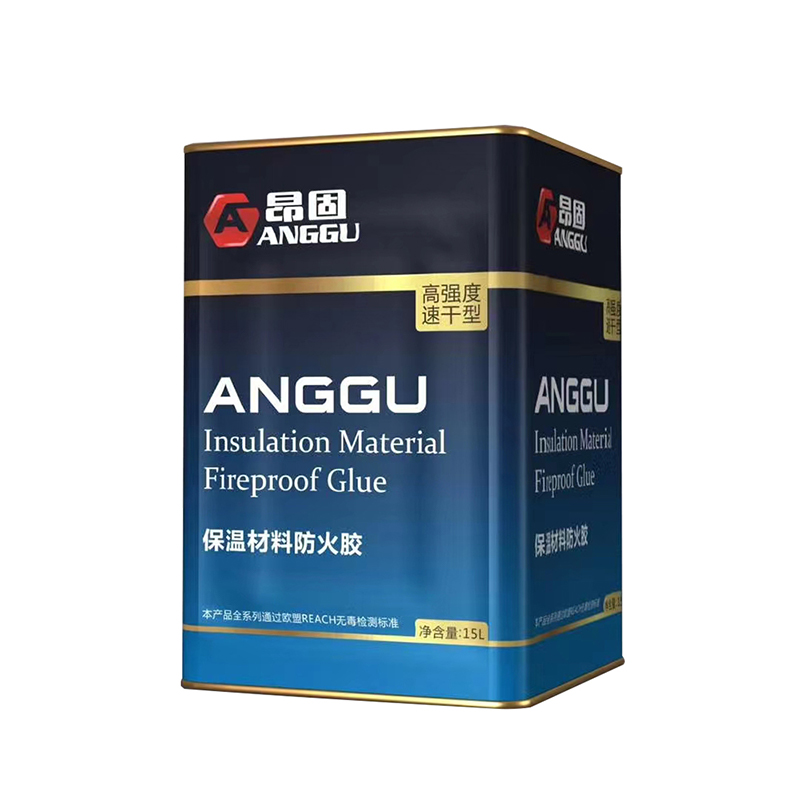
In today’s construction and HVAC industries, rubber plastic insulation material glues play an increasingly important role in ensuring durability, energy efficiency, and reliable insulation performance. These specialized adhesives are designed to bond insulation materials—such as rubber, polyethylene, or other polymer-based foams—to a variety of surfaces, creating a strong and long-lasting seal that enhances overall system performance.
One of the key advantages of rubber plastic insulation material glues is their excellent adhesion strength. They provide superior bonding to both porous and non-porous surfaces, including metal, glass, concrete, and plastics. This makes them ideal for applications such as ductwork, pipes, refrigeration systems, and building insulation, where maintaining a tight and secure connection is essential to prevent air or moisture leakage.
Another major benefit is thermal stability and resistance to temperature fluctuations. These glues are engineered to perform effectively under a wide range of temperatures, from freezing cold to extreme heat. Their high heat resistance ensures that the insulation remains intact even in environments with significant temperature changes—such as HVAC systems, cold storage facilities, or industrial plants.
In addition to heat resistance, rubber plastic insulation material glues offer excellent water and chemical resistance. They form a protective, waterproof bond that prevents moisture infiltration, reducing the risk of mold growth and corrosion. This property is especially critical in environments where humidity and condensation are constant concerns, ensuring the longevity and reliability of the insulation system.
Ease of application is another factor that makes these glues highly preferred by engineers and installers. Most products are available in both brush-on and spray forms, allowing for quick and uniform application. They dry quickly, saving installation time while maintaining flexibility to accommodate expansion and contraction of insulation materials.
Moreover, these glues contribute to improved energy efficiency. By securing insulation materials tightly, they help prevent thermal bridging and heat loss, which directly reduces energy consumption in heating and cooling systems. As a result, buildings can achieve better temperature regulation and lower operational costs, supporting sustainability goals and green building certifications.
Finally, rubber plastic insulation material glues are designed to be environmentally friendly and low in VOC emissions, making them safer for indoor use and compliant with modern environmental regulations.
In summary, rubber plastic insulation material glues combine strong adhesion, thermal and chemical resistance, ease of use, and environmental safety to deliver outstanding performance in both industrial and residential applications. As the demand for energy-efficient and sustainable construction solutions continues to rise, these adhesives are becoming an indispensable component in modern insulation systems, ensuring long-term protection, stability, and efficiency.