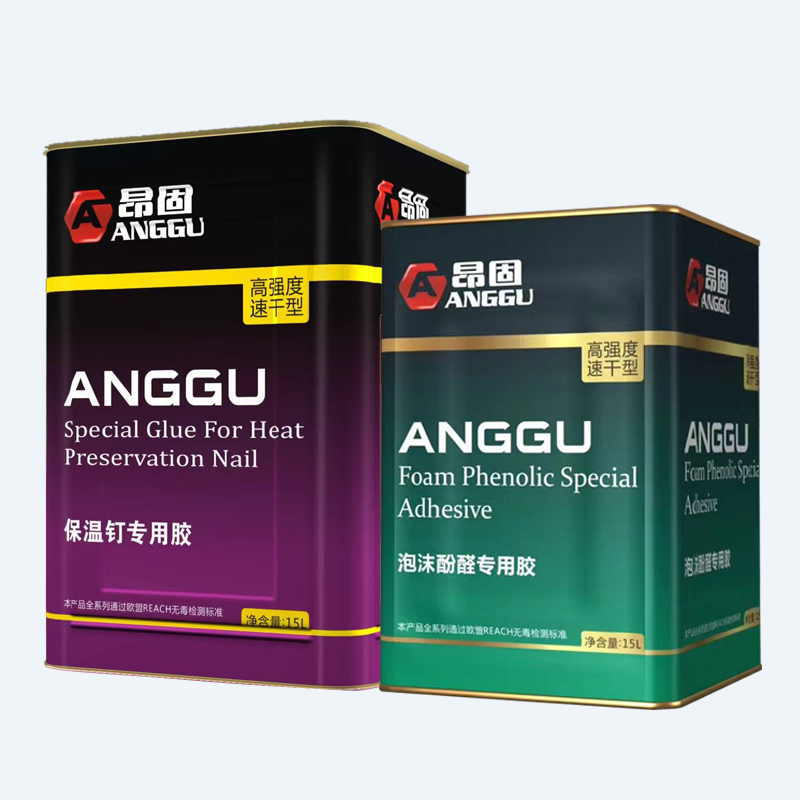
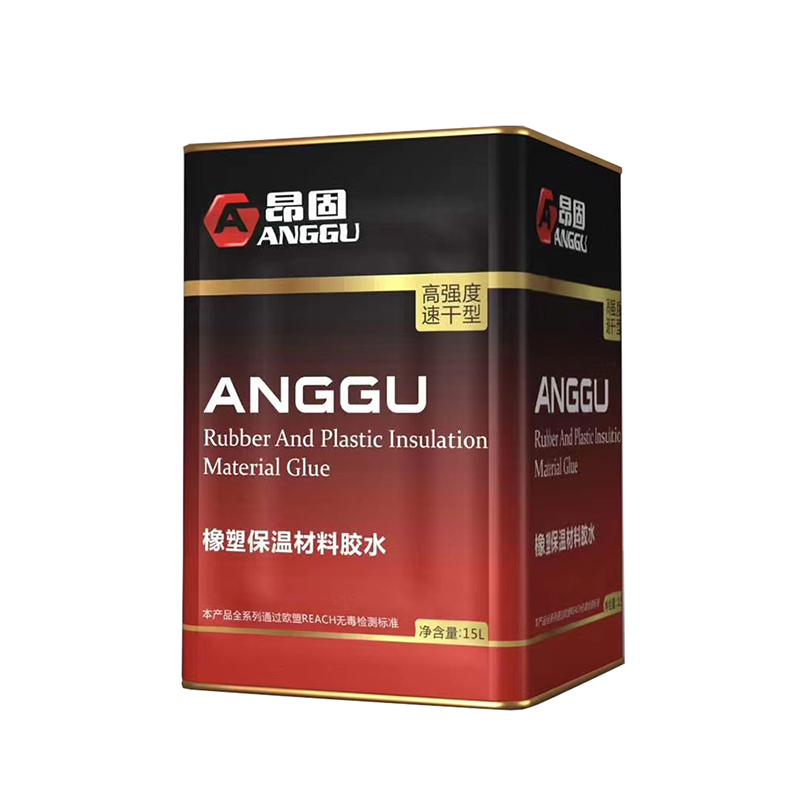
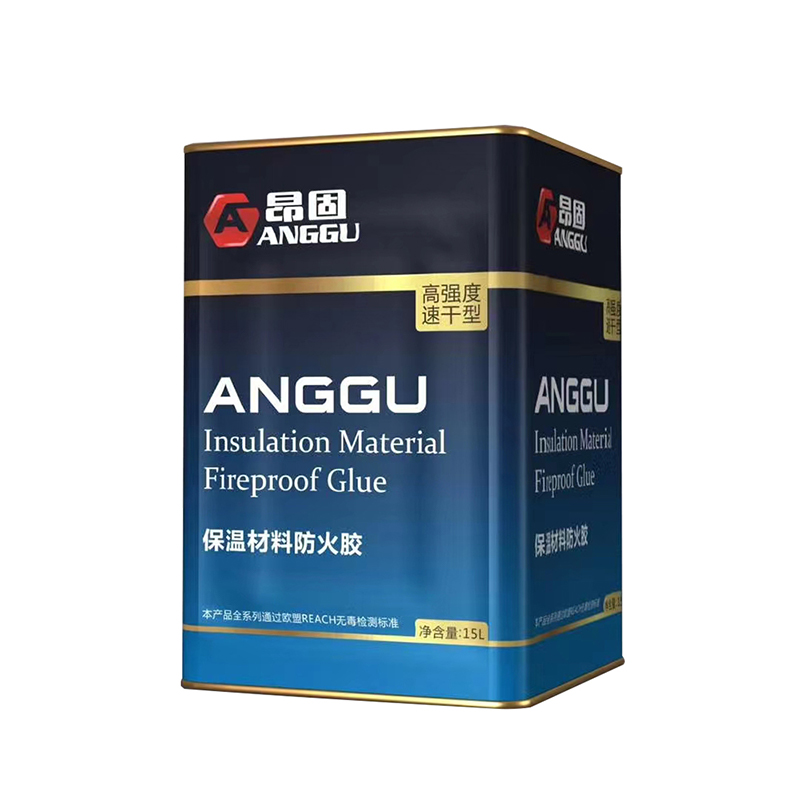
In today’s era of energy efficiency and sustainable development, Heat Insulation Adhesive has become an indispensable material across multiple industries. With its exceptional bonding strength, high-temperature resistance, and ability to reduce energy loss, this adhesive plays a critical role in construction, manufacturing, HVAC systems, and industrial equipment. Its growing use reflects a global shift toward improving thermal management and reducing energy consumption in both residential and commercial applications.
One of the primary applications of Heat Insulation Adhesive is in building insulation systems. It is widely used to bond insulation boards such as rubber foam, phenolic panels, and polyurethane sheets to walls, ceilings, and roofs. The adhesive not only provides strong and long-lasting adhesion but also prevents heat loss, ensuring stable indoor temperatures. This contributes to enhanced energy efficiency, reduced utility costs, and improved comfort in residential and commercial buildings.
In the HVAC (heating, ventilation, and air conditioning) industry, Heat Insulation Adhesive plays an equally vital role. It is used to bond insulation materials to ducts, air-conditioning pipelines, and ventilation systems. By preventing heat exchange between the air inside and the external environment, the adhesive improves overall system efficiency. Moreover, its moisture and temperature resistance ensure that insulation materials stay securely attached even under extreme conditions, reducing maintenance needs and extending equipment life.
Industrial equipment and machinery also rely on Heat Insulation Adhesive for thermal control. In high-temperature environments—such as power plants, manufacturing facilities, or chemical processing plants—the adhesive is used to attach insulation layers to boilers, furnaces, and pipelines. Its strong heat resistance allows it to withstand temperatures that would degrade ordinary adhesives, maintaining both safety and energy efficiency.
Another important application is in the automotive and transportation sector, where Heat Insulation Adhesive is used to bond insulation materials within vehicles. It helps regulate cabin temperature, reduce noise, and improve fuel efficiency by minimizing heat transfer from engines or exhaust systems. In electric vehicles, it contributes to thermal management systems that maintain battery performance and safety.
Furthermore, Heat Insulation Adhesive is increasingly used in appliance manufacturing, particularly in products such as refrigerators, water heaters, and air purifiers. It securely attaches insulation layers to internal components, ensuring better temperature retention and enhanced energy-saving performance.
Beyond its technical advantages, modern Heat Insulation Adhesive formulations are also environmentally friendly. They are designed with low volatile organic compound (VOC) content, low odor, and non-toxic ingredients, making them safe for both indoor and outdoor applications. These eco-conscious adhesives align with global sustainability standards and support green building certifications.
In summary, Heat Insulation Adhesive is a versatile and essential material that supports a wide range of applications—from construction and HVAC systems to industrial machinery and automotive engineering. Its ability to deliver reliable bonding under high temperatures while promoting energy conservation makes it a key player in modern energy-efficient design. As industries continue to prioritize sustainability and performance, the demand for advanced Heat Insulation Adhesive products is expected to grow steadily, driving innovation and shaping the future of thermal management technology.