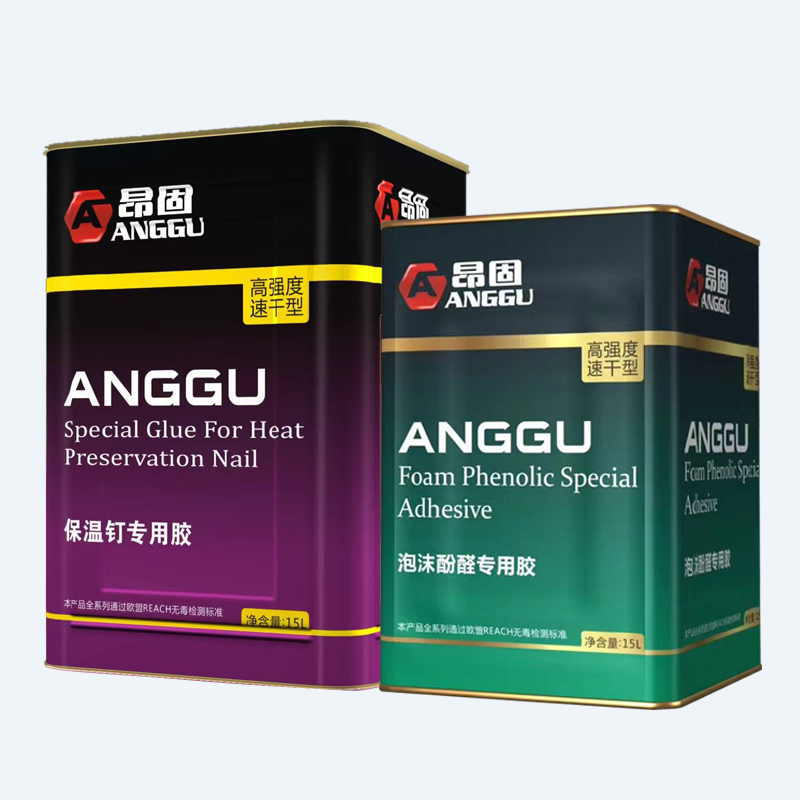
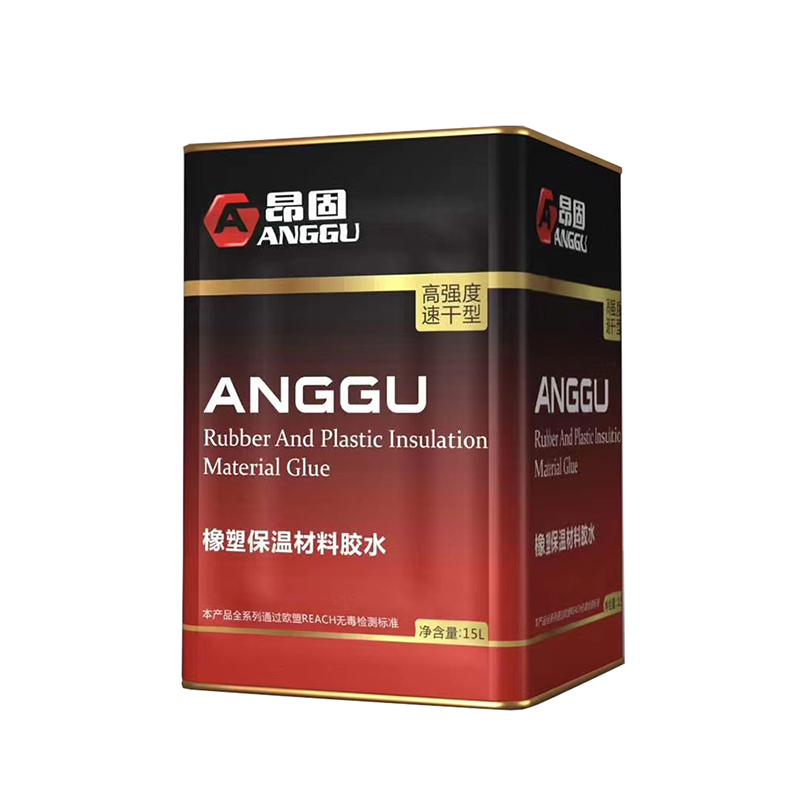
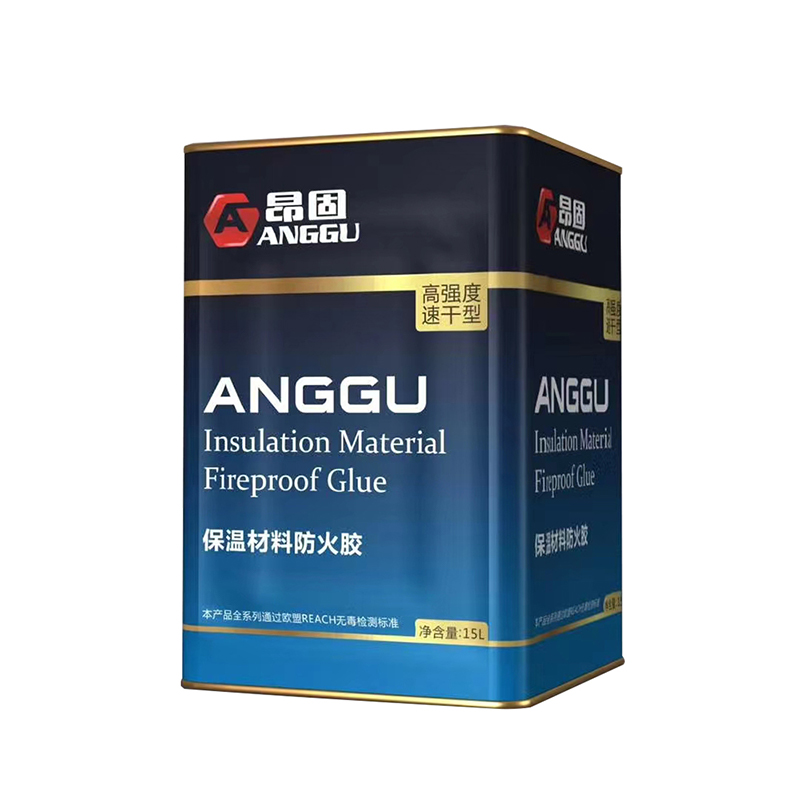
As energy efficiency and sustainability become global priorities, Heat Insulation Adhesive has emerged as a vital material in construction, manufacturing, and industrial applications. Known for its strong bonding ability, high-temperature resistance, and thermal protection performance, this adhesive plays a key role in enhancing insulation systems and reducing energy consumption across multiple industries.
The primary application of Heat Insulation Adhesive lies in the building and construction sector, where it is used to bond insulation materials such as rubber foam, phenolic panels, polyurethane boards, and rock wool to walls, ceilings, and roofs. By creating a durable thermal barrier, it helps maintain consistent indoor temperatures, reducing heating and cooling demands. This contributes significantly to building energy efficiency and supports sustainable design goals. Whether used in residential buildings, office complexes, or industrial facilities, Heat Insulation Adhesive ensures strong and long-lasting insulation performance.
In the HVAC (Heating, Ventilation, and Air Conditioning) industry, Heat Insulation Adhesive is essential for connecting insulation materials to ducts, pipes, and air-handling units. Its superior bonding strength and flexibility allow it to withstand vibration, moisture, and temperature fluctuations without losing adhesion. This helps prevent condensation, minimize air leakage, and maintain optimal energy efficiency in ventilation and air-conditioning systems.
The industrial and manufacturing sectors also rely heavily on Heat Insulation Adhesive for thermal management. It is widely used in the insulation of boilers, furnaces, pipelines, and reactors, where high temperatures are constant. The adhesive maintains stable bonding under extreme heat, preventing insulation materials from detaching or deteriorating. This improves the safety and efficiency of industrial equipment, reduces energy loss, and extends the operational lifespan of machinery.
In addition to construction and industrial applications, Heat Insulation Adhesive has become increasingly important in automotive and transportation engineering. It is used to bond insulation layers in vehicles to regulate cabin temperature and reduce noise. In electric vehicles (EVs), it supports battery thermal management by helping maintain safe and efficient operating temperatures. This not only enhances energy performance but also ensures the safety and reliability of modern vehicle systems.
Furthermore, Heat Insulation Adhesive plays a key role in the manufacture of home appliances. Products such as refrigerators, water heaters, and air purifiers require effective insulation to maintain performance and minimize energy use. The adhesive helps bond insulation layers within these devices, improving thermal stability and overall energy efficiency.
Modern formulations of Heat Insulation Adhesive are also environmentally friendly, featuring low volatile organic compounds (VOCs), minimal odor, and non-toxic compositions. These properties make them safe for indoor applications and compliant with international green building standards, aligning with the global movement toward eco-conscious construction materials.
In summary, the applications of Heat Insulation Adhesive span a wide range of industries—from construction and HVAC systems to automotive engineering and household appliances. Its ability to deliver reliable adhesion, excellent heat resistance, and energy-saving performance makes it indispensable in today’s world. As industries continue to pursue higher efficiency and sustainability, Heat Insulation Adhesive will remain a core material driving innovation in energy-efficient and environmentally responsible design.