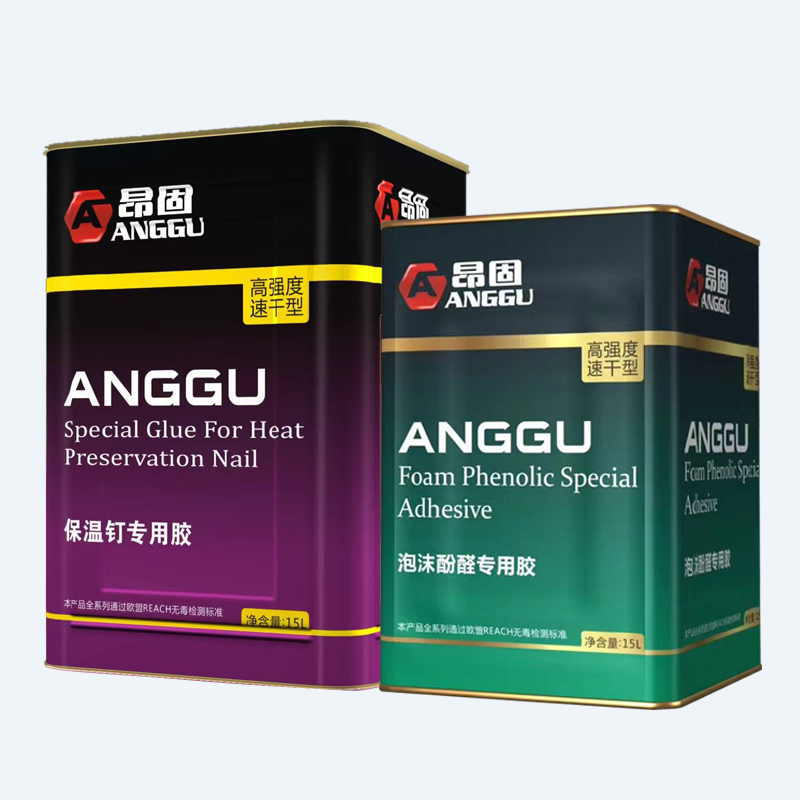
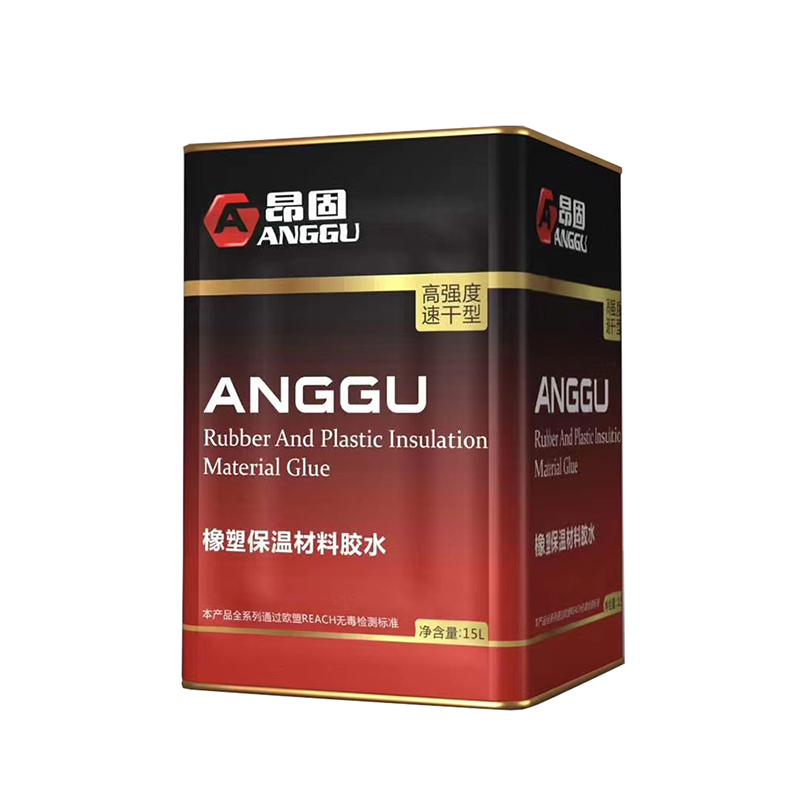
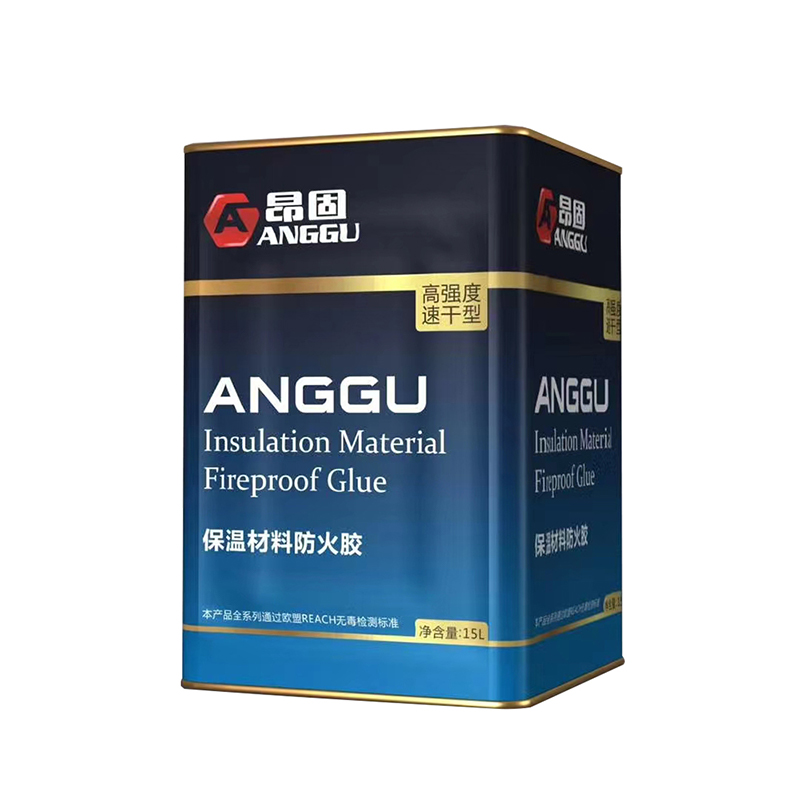
In the era of energy conservation and sustainable development, Heat Insulation Adhesive has become a key material in modern construction and manufacturing. But what exactly is heat insulation adhesive, and why is it so essential across various industries? This innovative adhesive plays a critical role in improving energy efficiency, enhancing thermal performance, and ensuring the long-term stability of insulation systems.
Heat Insulation Adhesive is a specialized bonding material designed to attach thermal insulation components—such as rubber foam, phenolic boards, polyurethane sheets, and fiberglass panels—to surfaces like walls, ducts, or machinery. Unlike conventional adhesives, it can endure high temperatures and resist thermal stress, maintaining strong adhesion even under extreme environmental conditions. Its primary function is to prevent heat loss, improve energy efficiency, and extend the life of insulation materials.
One of the most notable characteristics of Heat Insulation Adhesive is its superior thermal resistance. It remains stable and effective even in environments exposed to temperatures exceeding 100°C. This property makes it ideal for applications in HVAC systems, industrial equipment, and power plants, where temperature fluctuations can weaken ordinary adhesives. By maintaining consistent insulation performance, it helps systems operate efficiently and reduces energy waste.
In construction, heat insulation adhesives are used extensively in walls, ceilings, and roofing systems to bond insulation boards securely. They help maintain comfortable indoor temperatures by preventing heat transfer between interior and exterior spaces. As a result, buildings consume less energy for heating and cooling, supporting sustainability goals and lowering operational costs.
In industrial settings, Heat Insulation Adhesive is often used for attaching insulation materials to boilers, furnaces, pipelines, and storage tanks. Its high-temperature tolerance ensures that insulation remains effective even under intense heat, improving worker safety and equipment durability.
HVAC (Heating, Ventilation, and Air Conditioning) systems also rely heavily on these adhesives. By bonding insulation to air ducts and cooling units, Heat Insulation Adhesive helps reduce energy loss and condensation, ensuring the system operates at maximum efficiency.
Moreover, Heat Insulation Adhesive finds applications in automotive manufacturing, particularly in electric vehicles (EVs), where it supports battery thermal management and cabin temperature control. It can also be used in household appliances such as refrigerators, water heaters, and air purifiers, where temperature stability is essential for performance and energy saving.
In addition to its technical advantages, modern formulations of Heat Insulation Adhesive are designed with eco-friendly properties. Many are low in volatile organic compounds (VOCs), odorless, and non-toxic, making them safer for workers and environmentally responsible for large-scale applications. These qualities align with the growing global emphasis on green materials and sustainable infrastructure.
To sum up, Heat Insulation Adhesive is much more than just a glue—it is an essential material for energy-efficient design and industrial performance. Its combination of high-temperature resistance, strong adhesion, and environmental safety makes it a critical component in today’s energy-conscious world. As industries continue to pursue greener, more efficient technologies, the role of Heat Insulation Adhesive will only become more important in shaping the future of sustainable engineering and construction.