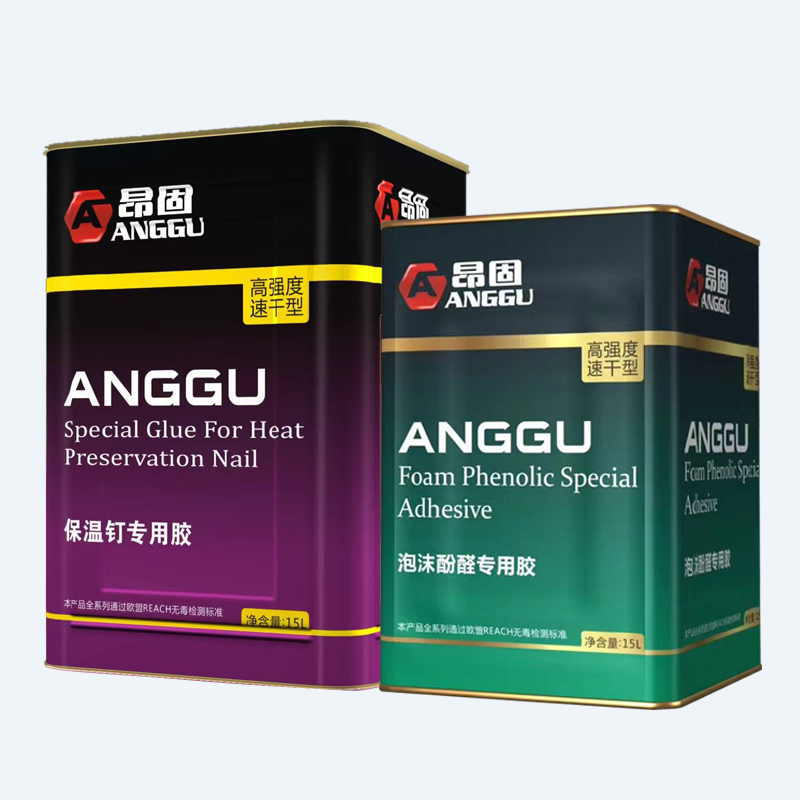
In the pursuit of higher energy efficiency and safety standards, the construction and industrial sectors are continuously adopting innovative bonding materials. Among these advancements, Foam Phenolic Adhesives have emerged as a leading solution, combining superior bonding performance, thermal insulation capability, and environmental sustainability. As a high-performance Thermal Insulation Adhesive, this material is revolutionizing how insulation systems are designed and applied across various industries.

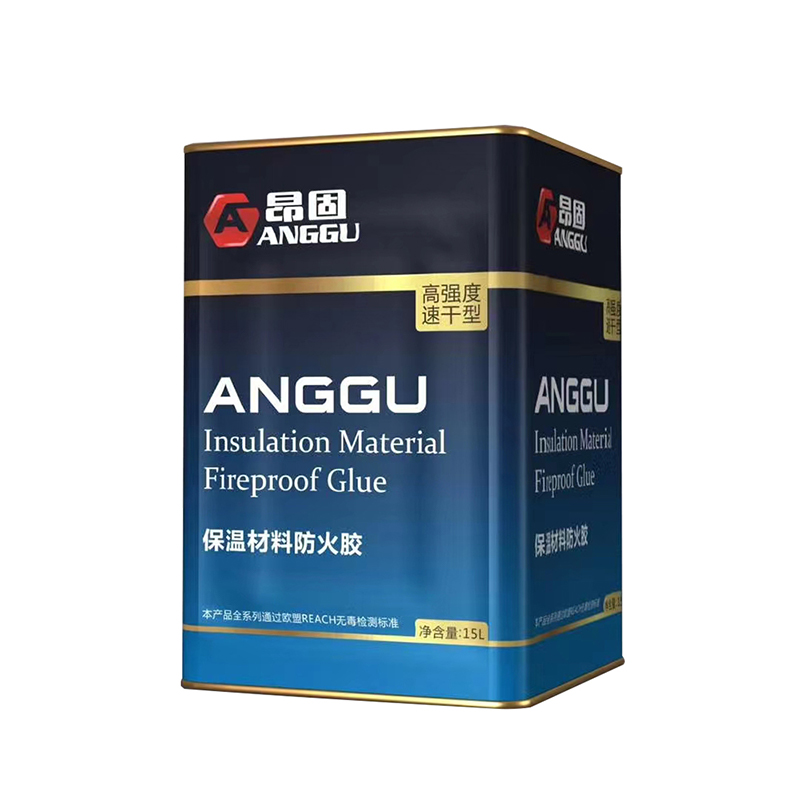
In today’s construction and industrial sectors, safety, energy efficiency, and material reliability are paramount. As fire safety standards become increasingly stringent, the demand for advanced bonding solutions has grown rapidly. Among these, Thermal Insulation Material Fireproof Adhesives have emerged as a critical component in modern insulation systems. These specialized adhesives, also known as Thermal Insulation Adhesives, combine high bonding strength, fire resistance, and environmental protection to meet the rigorous demands of both commercial and industrial applications.

In modern industrial and construction fields, maintaining reliable insulation under high-temperature conditions is crucial for energy efficiency and system safety. The 120° Rubber Plastic High-Temperature Adhesive has emerged as a leading solution for bonding insulation materials exposed to elevated temperatures. Designed as a specialized Thermal Insulation Adhesive, it combines strong adhesion, excellent heat resistance, and long-term durability—making it a preferred choice for professional installers and engineers.

Recently, the Dongguan HVAC Industry High-Quality Development Conference with the theme of "Low Carbon Empowerment, Integrated Innovation" was grandly held at Dongguan Kande International Hotel.

On November 17-18, 2025, the second meeting of the fourth session of the Board of Directors (Supervisory Board) of the Guangdong HVAC Association was successfully held in Taishan, Guangdong.

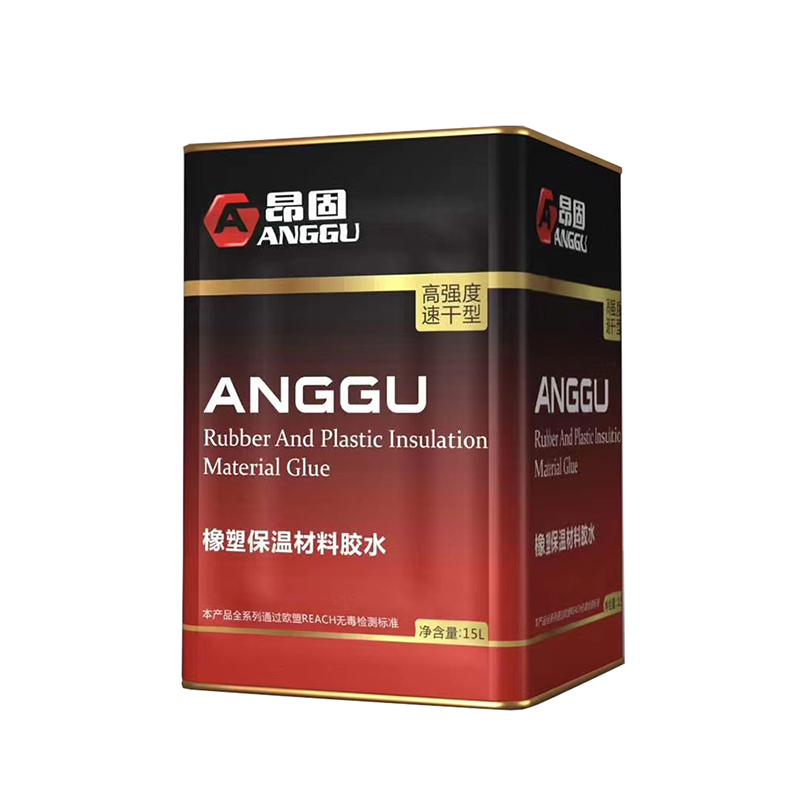
In today’s construction and HVAC industries, rubber plastic insulation material glues play an increasingly important role in ensuring durability, energy efficiency, and reliable insulation performance. These specialized adhesives are designed to bond insulation materials—such as rubber, polyethylene, or other polymer-based foams—to a variety of surfaces, creating a strong and long-lasting seal that enhances overall system performance.